
Anúncios
Learning to dance from home just got easier, thanks to apps that turn your living room into a judgment-free dance studio. 💃
Dance apps have changed how people approach fitness. Instead of driving to a studio and matching your schedule to a class, you press play whenever you want.
This shift matters especially for Zumba, a workout style built on rhythm, repetition, and energy. A good app replicates that group class feeling without leaving your room.
Why Dance Apps Are Replacing Traditional Studio Classes#
Gym memberships in the US average **$50 to $70 a month**, and that’s before factoring in a dedicated dance studio fee. A dance app subscription typically runs **$10 to $15 monthly**, giving you access to hundreds of routines instead of one weekly class.
There’s also the scheduling problem. A 2023 fitness industry survey found that **67% of people who quit gym classes** cited time conflicts as the main reason. Apps remove that barrier entirely — you choose the hour, not the other way around.
- No commute time: workouts start the second you open the app.
- Flexible intensity: most apps let you filter by difficulty level.
- Repeatable content: struggling with a step? Rewind and try again, something impossible in a live class.
What Makes a Zumba App Actually Work#
Not every fitness app with dance videos delivers results. The ones that work share specific features that keep users engaged past the first week.
Look for apps offering **structured programs** rather than random video dumps. A 30-day challenge with progressive difficulty keeps motivation higher than an endless library with no direction.
| Feature | Why It Matters |
|---|---|
| Instructor variety | Different teaching styles prevent routine fatigue |
| Offline download | Useful for travel or unstable connections |
| Calorie tracking | Gives measurable feedback on effort |
| Music licensing | Original Zumba tracks feel more authentic than generic beats |
How Much Time You Actually Need to See Results#
Most people overestimate how much dancing is required to notice change. Research from the American Council on Exercise shows a single 60-minute Zumba session burns between **369 and 606 calories**, depending on intensity and body weight.
That means three sessions a week, roughly 30 to 45 minutes each, is enough to build a consistent cardio habit. You don’t need daily hour-long sessions to feel the benefits.
Beginners often see improved stamina within **two to three weeks** of consistent practice. Coordination and rhythm, the trickier part for many new dancers, usually click somewhere between the fourth and sixth week.
A Simple Weekly Structure for Beginners#
- Monday: 20-minute beginner routine, focus on footwork
- Wednesday: 30-minute mixed-intensity session
- Friday: 25-minute routine with a new instructor for variety
- Saturday (optional): 15-minute stretch and light dance combo
This pattern avoids burnout while still building the habit loop necessary for long-term adherence.
Choosing Between Free and Paid Dance Apps#
Free apps usually offer a taste — a handful of routines, maybe five or six styles, enough to test whether dance fitness suits you. Paid versions unlock full libraries, often with **hundreds of classes** across genres like reggaeton, hip-hop fusion, and classic Zumba choreography.
Here’s where the decision gets practical. If you’re unsure whether you’ll stick with dance workouts, start free. If you already know you enjoy group fitness formats, a paid subscription pays for itself within two or three months compared to studio prices.
- Free tier: good for testing instructor styles and app interface
- Monthly subscription: ideal if your schedule changes often
- Annual plan: usually saves 30-40% compared to monthly billing
Red Flags That Signal a Low-Quality App#
Some apps recycle the same five routines under different titles. Others rely on autoplay loops with no instructor guidance, which defeats the purpose for beginners who need cueing.
Check reviews specifically for mentions of **video quality** and **audio sync** issues. A laggy video ruins the rhythm-based nature of dance workouts faster than almost any other flaw.

Zumba® App
Size113.4MB
PlatformAndroid/iOS
PriceFree
Information about size, installs, and rating may change as the app is updated in the official stores.
Building a Dance Habit That Actually Sticks#
Motivation fades. Habit structure doesn’t. The people who stay consistent with dance apps for six months or longer almost always attach the workout to an existing routine, like right after morning coffee or before dinner prep.
Behavioral researchers call this **habit stacking** — linking a new behavior to one already automatic. It removes the decision fatigue of “should I work out today?”
Tracking Progress Without Obsessing Over Numbers#
Calorie counts and step trackers help, but they’re not the whole story with dance fitness. Coordination improvement, better balance, and increased confidence moving to music matter just as much, even though apps rarely measure those directly.
Keep a simple log: date, routine name, and one line about how it felt. After a month, patterns emerge — maybe Tuesdays feel sluggish, or Latin-style routines click faster than hip-hop ones. That data shapes a smarter personal schedule.
Comparing Dance Styles Available Through Fitness Apps#
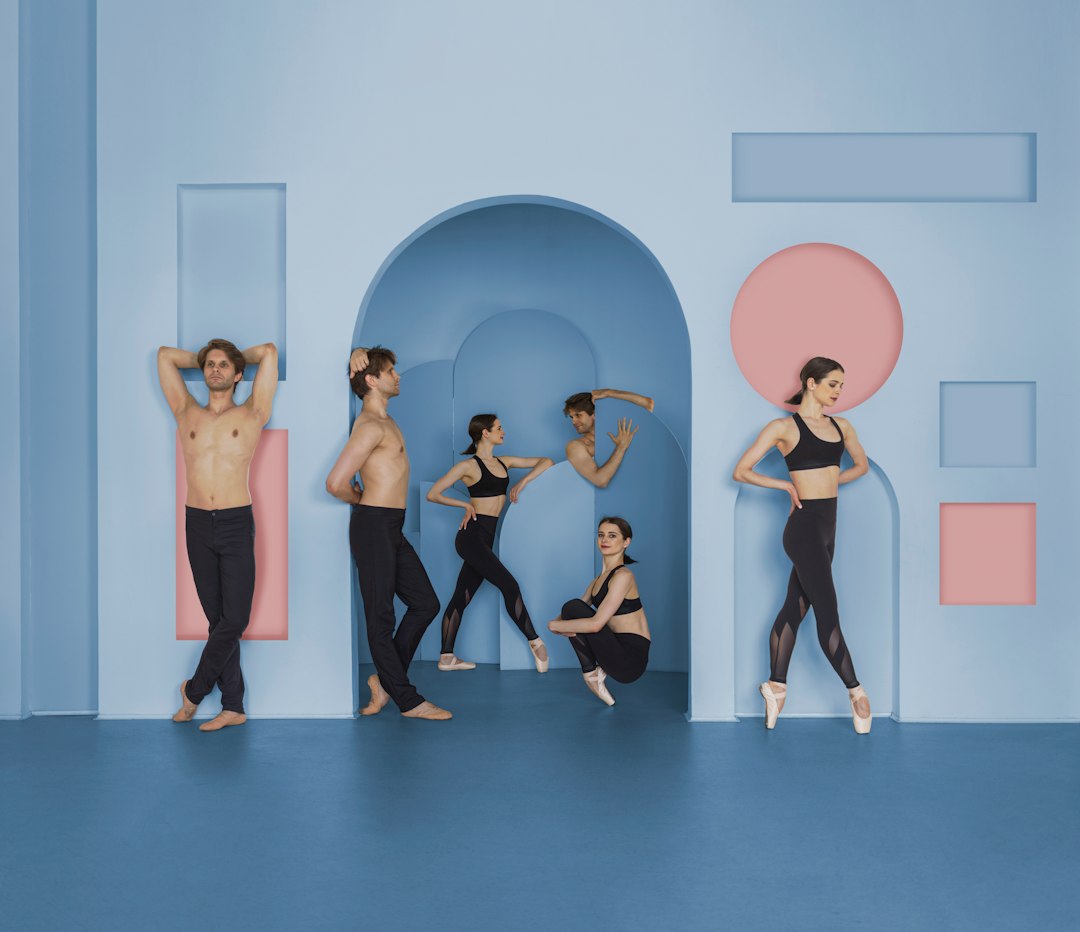
Zumba isn’t the only option, though it remains the most recognized brand globally, with programs running in **over 180 countries**. Understanding the different styles helps you pick what fits your energy and goals.
| Style | Intensity | Best For |
|---|---|---|
| Zumba | Moderate to high | Cardio, rhythm, full-body movement |
| Barre-inspired dance | Low to moderate | Toning, posture, low-impact joints |
| Hip-hop cardio | High | Explosive movement, calorie burn |
| Ballroom basics | Low | Coordination, partner-style steps |
Mixing styles across the week prevents plateaus. Muscles adapt to repeated movement patterns within **three to four weeks**, so alternating between Zumba’s Latin rhythms and hip-hop’s sharper movements keeps your body responding.
Getting Past the Awkward Beginner Phase#
Everyone feels clumsy during their first few sessions. That’s normal and temporary. The trick is lowering the video playback speed if the app allows it, practicing the footwork slowly before adding full speed and music.
Mirrors help too — not for vanity, but for catching coordination mistakes you can’t feel in your own body. Many users report the awkward phase lasting **one to two weeks** before movements start feeling natural.
Dance fitness apps work best when you treat them less like a workout chore and more like a daily rhythm practice. The calorie burn is real, but the bigger win is building a sustainable movement habit that doesn’t depend on anyone else’s schedule but yours. 🕺
Keep reading
You might also like
Best News and Curiosities App for Daily Facts
Staying informed in a world full of noise is tricky, but a well-built news and facts app can turn chaos into clarity,…
Best Apps to Watch Movies and Series Online
Choosing the right app for watching movies and series can transform how you unwind after a long day, giving you instant access…